Why Was AES67 Developed?
From "Silos" to "Interconnection": The Inevitable Evolution of AoIP

Before the advent of the AES67 standard, the Networked Audio (AoIP) market was fragmented. Although technologies like Dante, RAVENNA, Livewire, and Q-LAN were excellent in their own right, they could not speak to each other. AES67 was developed specifically to break down these barriers and achieve interoperability between different audio network systems.
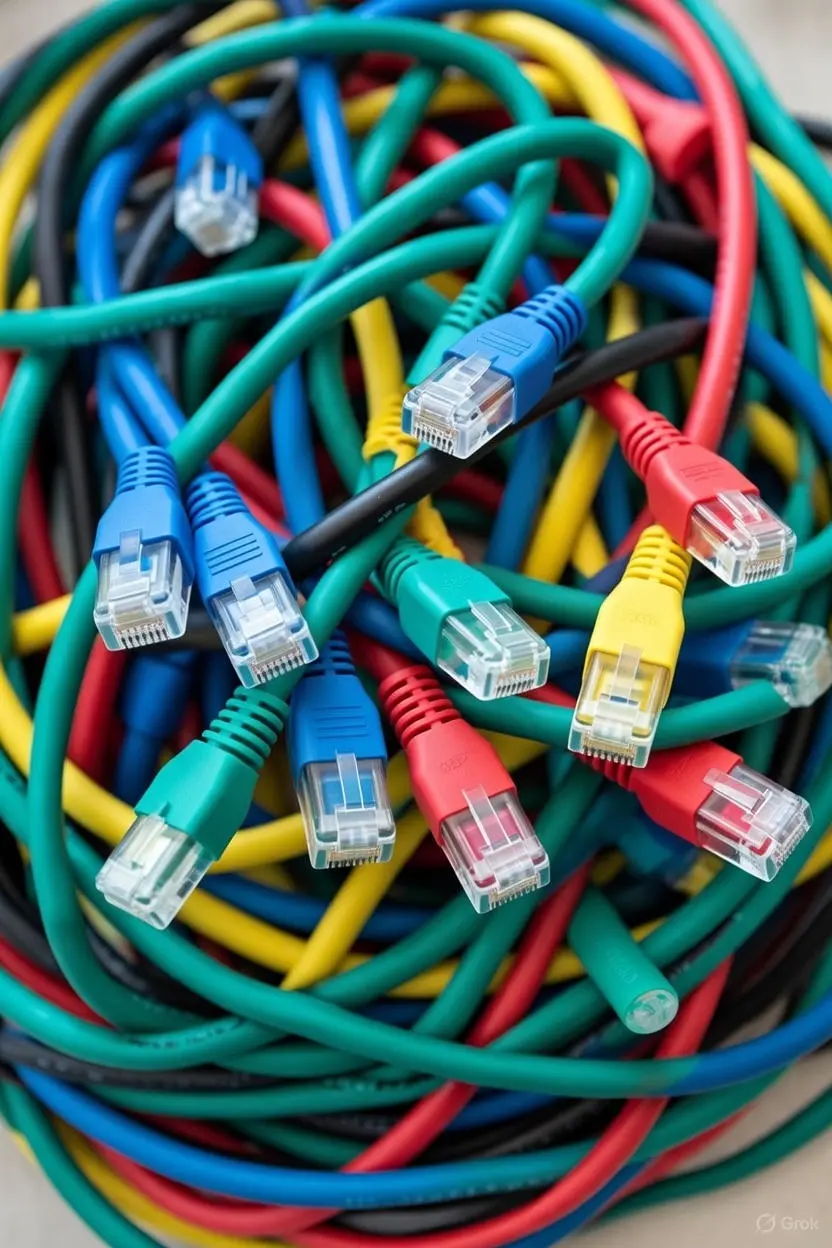
Technical Background: The Tower of Babel Dilemma
Around 2010, as IP networking technology became popular in the pro audio field, multiple AoIP solutions emerged. However, these solutions typically used proprietary transport encapsulation and discovery mechanisms. This meant that if you bought a Dante-enabled console, you had to buy Dante-enabled stage boxes; if you used a Livewire broadcast system, integrating it with RAVENNA devices was difficult. This "walled garden" strategy, while commercially protective, severely limited user choice and system flexibility.
The Solution: Project X192
To address this issue, the Audio Engineering Society (AES) initiated a standardization project codenamed "X192" in 2010. The goal was not to replace existing AoIP protocols but to define a "lowest common denominator" interoperability mode. After three years of effort, AES officially published the AES67-2013 standard in 2013.
Not replacing existing protocols, but existing as a "compatibility mode"
Focusing on Transport and Synchronization, not Control
Based on existing IT standards (like IP, UDP/RTP, PTPv2, SIP) to ensure broad compatibility

Profound Impact
The release of AES67 completely changed the landscape of the pro audio industry. It forced major manufacturers to open up their ecosystems. Today, almost all major AoIP protocols (including Dante, RAVENNA, Livewire+, Q-LAN, WheatNet-IP, etc.) support AES67 mode. This means devices from different brands can seamlessly exchange audio streams on the same network, greatly protecting user investment and promoting industry innovation.
"AES67 is not about creating a new ecosystem, but connecting all ecosystems."